
- Home
- Faculty
- Campus Facilities
- Admissions
- Research
- Conferences
- IPE
- About Us
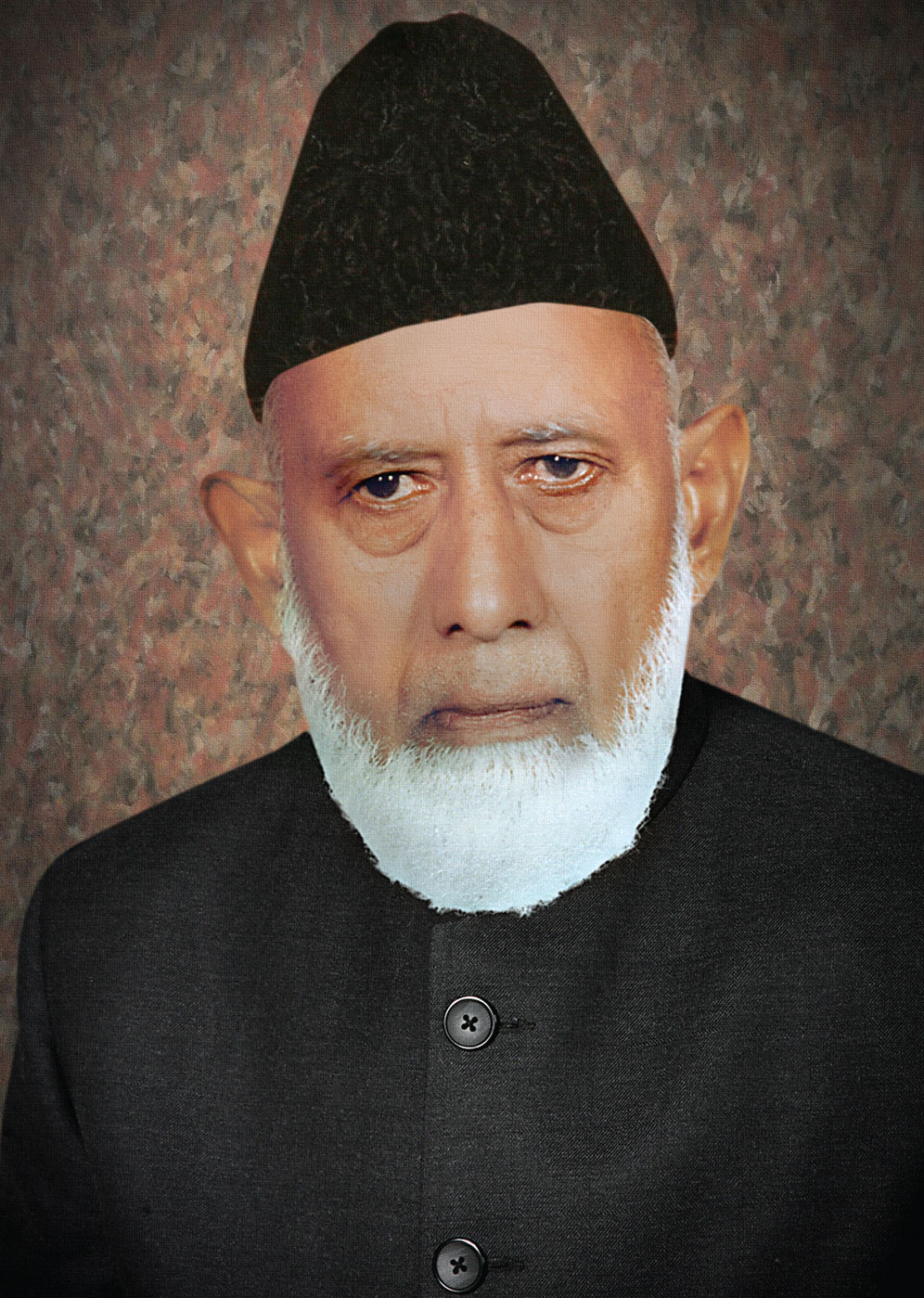
THE FOUNDER’S MESSAGE
AL HAJ MOULVI RAYAZUDDIN AHMED (Tamgha e Imtiaz)Al Haj Moulvi Rayazuddin Ahmed (T.I), a direct descendant of Hazrat Sheikh Saleem Uddin Chishty, was born in 1906 in the city of Taj Mahal, the city of intellectuals and poets. His early upbringing through parents and education instilled in him love for education inspite of being enslaved in government service.
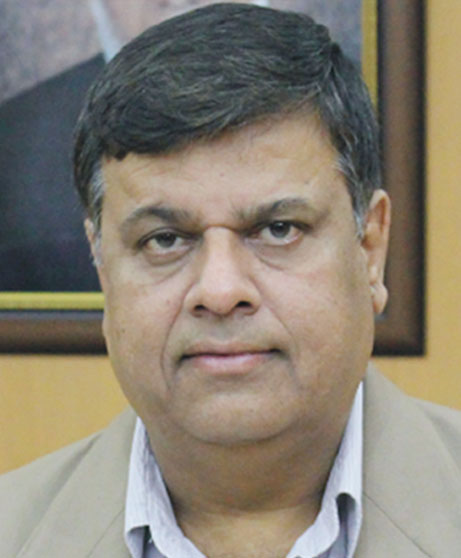
Chancellor’s Message
Education has been unanimously regarded as the key factor in the development of personality of an individual, as well as that of a society and a nation. Any efforts put in education consequently lead to formidable behavioral changes. The first gift given to humanity by its creator, when first human being was created, was knowledge. Similarly Islamic religion tradition began with the command from the creator to read, contemplate and produce knowledge in order to serve the humanity.
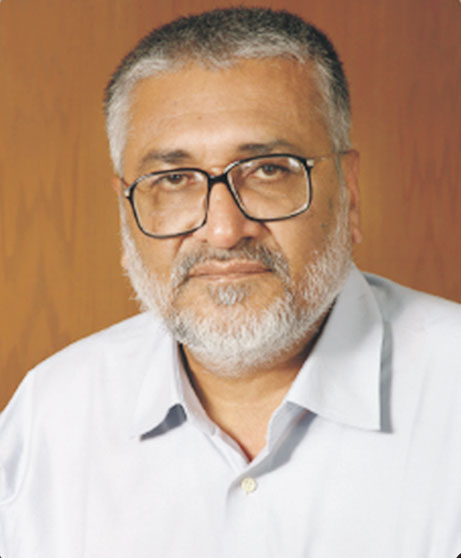
Vice Chancellor's Message
This year is very special, has brought happiness and encouragement among all in the University as the President of Pakistan has conferred Tamgha-e-Imtiaz to Al-Haj Moulvi Reyazuddin Ahmed in recognition of his hard and sincere efforts for the cause of education and especially for female population.
The history of development, across the globe, amply, demonstrates that education is the key condition for economic, social and political development. The human and social development in developing countries, establishes a direct relationship between female education.
Mentoring Program for Universities (MPU) 2026

Mentoring Booklet
Mentoring Program for Universities (MPU) 2026
In collaboration with NAHE- HEC
Introduction
In alignment with the Higher Education Commission’s (HEC) Women Empowerment and Mentorship Program (WEMP), Jinnah University for Women (JUW) has launched its Mentoring Program to promote leadership, and professional growth within the university community. Recognizing the socio-cultural context of Pakistan and the need to strengthen gender equity in higher education, this initiative provides a structured platform for guidance, support, and capacity building.
The program connects experienced mentors with mentees to foster self-confidence, enhance skills, and support career development through a collaborative and goal-oriented process. Mentors act as coaches, guides, and role models, supporting mentees in achieving their academic and professional aspirations.
Through this initiative, JUW aims to create opportunities for skill development, networking, and exposure to leadership practices, while contributing to a more inclusive and diverse academic environment. The program is implemented through a structured framework, including a university-level Mentorship Programme Committee (MPC), ensuring effective execution, monitoring, and continuous improvement in line with HEC guidelines.
Program Objectives
- To establish a structured mentoring culture at Jinnah University for Women (JUW), fostering meaningful mentor–mentee relationships among faculty members and administrative staff members.
- To develop leadership capabilities, support academic and professional growth, and guide faculty members and administrative staff members in career planning and advancement.
- To promote a supportive and inclusive environment within JUW that encourages collaboration, well-being, and continuous learning.
- To provide networking and exposure opportunities, enabling mentees to connect with peers, faculty, and industry professionals, and to encourage knowledge sharing and research collaboration.
Mentorship Program Committee (MPC)
- Prof. Dr. Narmeen Bawany – Chair and Focal Person
- Prof. Dr. Aliya Riaz
- Prof. Dr. Aisha Sana
- Dr. Shazia Inayat
- Ms. Gulnaz Altaf (QEC Representative)
- Ms. Faiza Maqbool (Secretary, MPC)
Mentor Eligibility
- Mentors should be a regular faculty or management member of the university.
- At least 5 years of higher education sector experience inclusive of leadership roles.
- Familiarity with the higher education environment of universities.
- Personal traits such as being a respectful, committed, active listener, exhibiting empathy, motivator etc.
- Participation as a mentor or mentee is entirely voluntary; however, mentors and mentees would be recognized and awarded certificates by the University after successful completion of the mentorship program.
Mentee Eligibility
Mentee should be a faculty or administrative member of the university. He or she should be in the early career to mid-career stage and is willing to seek professional and career development. Senior faculty members may also opt to join the program as a mentee for developing a specific skill or professional competence.
Program Duration
The program will be of 3 months starting from April 2026 to June 2026.
Training session for Mentors and Mentee
-
 Read more +
September 3, 2026 By admin in MPU Sessions
Read more +
September 3, 2026 By admin in MPU Sessions
Mentoring Program for Universities (MPU)
-
 Read more +
June 5, 2026 By admin in Life at JUW, MPU Sessions
Read more +
June 5, 2026 By admin in Life at JUW, MPU Sessions
Outcome-Based Education & Skill-Oriented Teaching Session
-
 Read more +
April 28, 2026 By admin in MPU Sessions
Read more +
April 28, 2026 By admin in MPU Sessions
The Mentoring Program for Universities (MPU)
-
Read more +
April 21, 2026 By rayyan in MPU Sessions
Session On Conflict Resolution, Problem Solving & Decision Making
-
 Read more +
April 10, 2026 By rayyan in MPU Sessions
Read more +
April 10, 2026 By rayyan in MPU Sessions
Training session for Mentors and Mentee


Call for Mentor Registration
Mentoring is a relationship in which an individual supports a person by sharing their professional knowledge and experiences, and utilising key skills and personal attributes, to enable that person to achieve their goals.
The mentoring relationship is focused on enabling the mentee to:
- Progress in their professional life/career.
- Develop their skills, knowledge and capability.
- Facilitate their personal & professional development so that the mentee can fulfil their potential.
A mentor not only gets the chance of benefiting from the opportunity to draw on one’s own experience and knowledge to help another colleague grow and develop, but also benefit from the chance to:
- Develop valuable interpersonal and communication skills such as listening and questioning.
- Have the opportunity to `give something back’.
- Share good practice from your own experience.
- Enable new colleagues to `hit the ground running’ and be as effective as possible in their role.
- Offer perspectives and insights into new or different ways of doing things.
- Learn from your mentee by gaining exposure to new ideas, approaches and perspectives.
- Give your mentee insight into processes and practices that you are familiar with.
- Gain recognition for your skills and experience and for your contribution as a mentor, raising your professional profile.
- Expand your network outside of your own team, department or institution.
Call for Mentee Registration
A mentee not only gets the chance of benefiting from the experiences and knowledge of another colleague, and the time and space to reflect on your current and future challenges and opportunities, but also benefit from the chance to:
- Get help with setting and achieving personal and professional goals and addressing challenges.
- Share ideas and consider new ways of doing things in a space away from your normal working environment.
- Discuss and receive encouragement to progress your career and develop new skills and knowledge.
- Gain independent feedback on your performance.
- Increase confidence and sense of value.
- Build a support network outside your own team or work area to draw on in the future.
- Understand and gain an insight into other parts of the University.
Responsibilities of Mentor and Mentee
In any mentoring partnership, the mentor and mentee both share responsibility for ensuring the partnership is effective. Their roles may be slightly different, but they are both equally important in making the mentoring a success.
Before starting the mentoring relationship, it is important that both the mentee and the mentor are comfortable with taking on their roles and responsibilities.
Mentee |
Mentor |
|---|---|
| Be prepared to ‘drive’ the relationship – schedule meetings, maintain a record of agreed tasks and goals. | Listen well, question constructively and offer supportive challenge when needed. |
| Come to the first meeting with clarity on what you want to achieve. | Act as a confidential and non-judgemental sounding board. |
| Respect and keep to the points agreed at the start. | Encourage reflection, and independent and creative thinking. |
| Be honest and transparent when sharing information. | Give constructive feedback and provide new insights. |
| Be prepared to reflect and evaluate your own practice – what went well, what could have been done differently. | Respect and keep to the points agreed at the start. |
| Show commitment and flexibility. | Recognise and celebrate achievements. |
| Be receptive to challenge. | Focus on the objectives set by the mentee. |
| Be prepared to step out of your comfort zone and consider new ways of doing things. | Be willing to share experience, knowledge and expertise. |
| Commit to completing agreed tasks between meetings. | Provide advice when relevant. |
| Be sensitive to the individual – culture, gender etc. | Be encouraging and supportive. |
| Be sensitive to your mentee – culture, gender etc. | |
| Show commitment and flexibility. |